Erectile dysfunction (ED) is defined medically as the consistent inability to obtain or maintain an erection sufficient for satisfactory sexual performance. It is not merely a quality-of-life issue; in modern urology, ED is viewed as a “canary in the coal mine”, an early biomarker for systemic vascular disease. The penile arteries are significantly smaller than the coronary arteries, meaning vascular occlusion often manifests as ED years before a cardiac event occurs.
Clinical management has shifted from a “one-size-fits-all” prescription model to a stratified approach. We prioritize identifying the root etiology, whether vascular, neurogenic, hormonal, or psychogenic, to tailor Erectile Dysfunction Treatments that address the underlying pathology rather than just masking symptoms.
Understanding Erectile Dysfunction (ED)
The mechanism of an erection is a complex hemodynamic event. It requires the release of nitric oxide (NO) from nerve endings, leading to the relaxation of smooth muscle within the corpora cavernosa. This relaxation allows blood to flow in, compressing the veins and trapping the blood (the veno-occlusive mechanism). Disruption at any stage of this cascade results in ED.
Top Erectile Dysfunction Treatments: Restoring Confidence
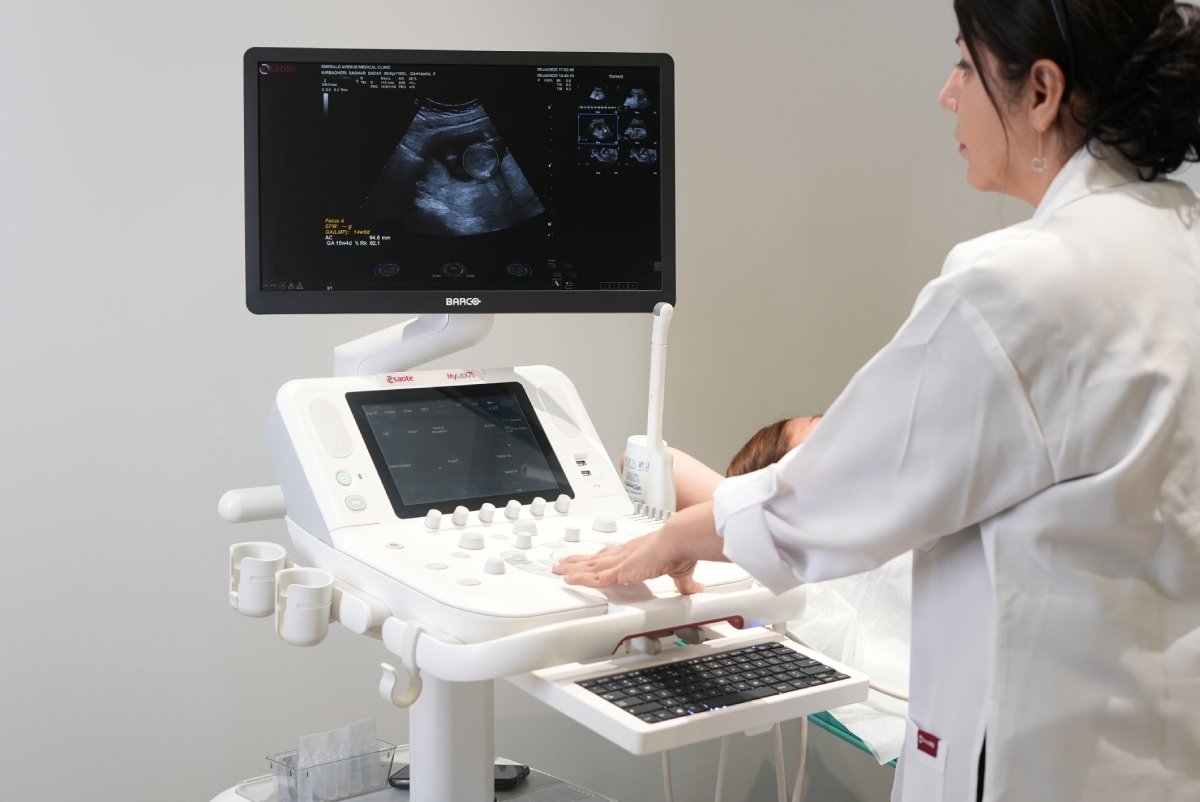
Treatment efficacy depends entirely on accurate diagnosis. We utilize tools such as Penile Doppler Ultrasound to assess blood flow velocity, distinguishing between arterial insufficiency (poor inflow) and venous leak (poor retention).
Physical vs. Psychological Causes
Differentiation is critical for selecting the right therapy.
Organic ED:
Resulting from physical issues like vascular disease, nerve damage, or hormonal imbalances (Low Testosterone).
Psychogenic ED:
This occurs when the brain blocks the physical response. Anxiety, depression, or stress triggers the sympathetic nervous system (fight or flight), which releases adrenaline.
Adrenaline is a potent vasoconstrictor that directly opposes the relaxation required for an erection. In young, healthy men, sudden-onset ED is frequently psychogenic. Treatment here involves psychosexual therapy rather than surgery.
Risk Factors: Diabetes, Hypertension, and Age
Chronic conditions degrade the delicate endothelial lining of the blood vessels.
- Diabetes Mellitus: High blood sugar causes both neuropathy (nerve damage) and vasculopathy. It impairs the synthesis of nitric oxide, making standard oral medications less effective over time.
- Hypertension: High blood pressure damages arterial walls, leading to atherosclerosis (hardening of the arteries), which restricts blood flow to the penis.
- Age: While the refractory period increases with age, ED is not an inevitable consequence of aging; it is a treatable condition regardless of the patient’s decade of life.
First-Line Treatments: Oral Medications (PDE5 Inhibitors)
Phosphodiesterase type 5 (PDE5) inhibitors are the standard first-line therapy. Drugs such as Sildenafil, Tadalafil, and Vardenafil work by blocking the enzyme that breaks down cGMP, the chemical messenger that promotes blood flow.
- Mechanism: They do not create an erection; they enhance the response to sexual stimulation. Without stimulation, they remain inactive.
- Clinical Nuance: Tadalafil has a longer half-life (up to 36 hours), allowing for spontaneity, while Sildenafil is short-acting.
- Safety: These are contraindicated in patients taking nitrates (for chest pain) as the combination can cause fatal hypotension.
Regenerative Therapies: The New Era
Traditional meds treat the symptom. Regenerative medicine aims to repair the tissue, offering the potential for an ED cure or reversal of disease progression.
Low-Intensity Shockwave Therapy (Li-ESWT)
Shockwave therapy for ED is a breakthrough non-invasive treatment utilizing acoustic waves. Unlike the high-energy waves used to break kidney stones, these are low-intensity waves delivered to the penile tissue.
- Angiogenesis: The micro-energy induces localized stress, triggering the release of vascular growth factors (VEGF). This stimulates the formation of new blood vessels (angiogenesis) and recruits stem cells to repair aged tissue.
- Indications: It is most effective for patients with mild to moderate vasculogenic ED who wish to reduce reliance on pills.
P-Shot (PRP) Therapy Explained
Platelet-Rich Plasma (PRP) therapy involves utilizing the patient’s own blood.
- Process: Blood is drawn and spun in a centrifuge to concentrate platelets. This plasma, rich in growth factors, is injected into the corpora cavernosa.
- Theory: The growth factors stimulate tissue regeneration and collagen production. While clinical data is still emerging compared to shockwave therapy, it is frequently used as an adjunct treatment to improve sensation and tissue health.
Advanced Medical Solutions
When oral medications and regenerative therapies fail, we move to second and third-line interventions.
Intracavernosal Injections (ICI)
For patients with severe diabetes or post-prostatectomy nerve damage, oral pills may fail because the nerve signal is too weak.
- Direct Action: Injection therapy (often using Alprostadil or Trimix) delivers medication directly into the penis. This bypasses the need for nerve stimulation, causing smooth muscle relaxation chemically.
- Efficacy: It has a very high success rate (>80%). Patients are taught self-injection techniques. The primary risk is priapism (an erection lasting >4 hours), which requires urgent medical reversal.
Penile Implants: When Are They Necessary?
The penile prosthesis is the gold standard for refractory (treatment-resistant) ED.
- Inflatable Prosthesis: Consists of two cylinders placed in the penis, a pump in the scrotum, and a reservoir. It mimics a natural erection closely, rigid when inflated, flaccid when deflated.
- Satisfaction: While it requires surgery and is irreversible (natural erectile tissue is removed), it yields the highest patient and partner satisfaction rates among all treatments because it is 100% reliable and allows for spontaneity.
Lifestyle Changes to Enhance Treatment Results
No medical intervention works in isolation. Vascular health is systemic.
- Cardiovascular Fitness: Aerobic exercise improves endothelial function. “What is good for the heart is good for the penis.”
- Weight Management: Obesity increases aromatase activity, converting testosterone to estrogen, which suppresses libido and erectile function.
- Smoking Cessation: Smoking is the single greatest modifiable risk factor. Nicotine causes immediate vasoconstriction and long-term arterial damage.
Read also about: Male Infertility Causes
FAQ
Can erectile dysfunction be cured permanently?
It depends on the cause. Psychogenic ED can often be permanently resolved with therapy. Mild vasculogenic ED may be reversed (effectively an ED cure) through lifestyle changes and Shockwave therapy for ED. However, severe organic ED (e.g., from long-term diabetes) is usually managed rather than cured.
Is Shockwave therapy painful?
No. Low-intensity shockwave therapy is generally painless. Patients may feel a light tapping sensation, but anesthesia is not required, and there is no downtime post-procedure.
How quickly do ED treatments work?
Oral medications typically work within 30 to 60 minutes. Injections work within 5 to 15 minutes. Regenerative therapies like shockwaves are cumulative, typically requiring a course of 6 sessions over several weeks to show physiological improvement.