Every day, the skin endures exposure to sunlight, pollution, and environmental toxins, particularly in regions like Dubai, where intense UV radiation and dry air accelerate skin fatigue. Over time, this constant stress can leave the complexion uneven, rough, and lackluster.
A professional chemical peel facial treatment provides a controlled method of renewing the skin’s surface. Instead of being an outdated, harsh procedure, today’s peels are precisely formulated and highly customizable medical treatments. Let’s talk about it now!
What is a Chemical Peel? Understanding the Exfoliation Process
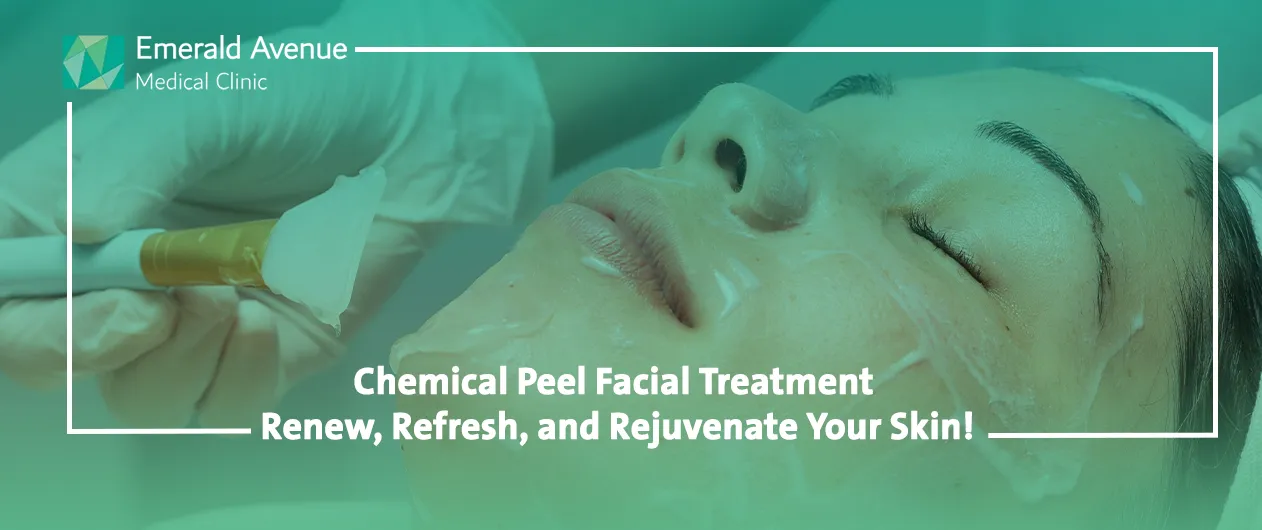
A chemical peel is a dermatological procedure designed to resurface the skin through a carefully monitored exfoliation process.
- Application of Active Solution: A specialized blend of exfoliating acids, commonly alpha hydroxy acids (AHAs), beta hydroxy acids (BHAs), or trichloroacetic acid (TCA), is applied to the skin.
- Dissolution of Surface Cells: These acids gently break down the bonds that hold dull, dead cells on the epidermis, prompting a renewal response.
- Stimulation of Cellular Turnover: As the superficial layer sheds, new cells emerge, supported by increased collagen production and improved dermal structure.
- Visible Renewal: Depending on the peel’s depth, the outer layer exfoliates over several days, revealing smoother and brighter skin beneath.
Benefits of chemical peel facial treatment for Various Skin Concerns
Chemical peels offer significant and diverse benefits when customized to an individual’s skin type and concerns.
Reducing Fine Lines and Wrinkles
Superficial peels refine the skin’s surface texture, while a series of treatments promotes collagen remodeling within the dermis. Over time, this leads to smoother, more resilient skin and a visible reduction in fine lines.
Treating Acne and Acne Scars
Peels that include salicylic acid, a lipid-soluble BHA, help clear clogged pores, regulate sebum production, and reduce bacterial buildup. Repeated sessions can fade post-inflammatory pigmentation and smooth mild textural irregularities.
Correcting Pigmentation and Sun Damage
Conditions such as melasma, age spots, and sun-induced discoloration respond well to chemical exfoliation. By promoting the replacement of pigmented cells with evenly toned new ones, the skin gradually becomes clearer and more luminous.
Improving Skin Texture and Tone
Regular treatments improve overall cell turnover, refine pore appearance, and restore a radiant glow. The renewed epidermis reflects light more evenly, producing a healthy, youthful complexion.
Types of Chemical Peel Facial Treatment Available at Emerald Avenue Medical Centre
Not all peels achieve the same depth or outcome. Selection depends on skin condition, treatment goals, and recovery tolerance.
Light/Superficial Peels
- Composition: Gentle agents such as glycolic, lactic, or salicylic acid in lower concentrations.
- Action: Targets the epidermis only, providing mild exfoliation with minimal downtime.
- Best For: Uneven tone, mild acne, or dryness; ideal for first-time peel clients.
Medium Peels
- Composition: Typically involves trichloroacetic acid (TCA) or stronger AHA formulations.
- Action: Penetrates into the upper dermis to treat deeper pigmentation, fine lines, and scarring.
- Recovery: May cause visible peeling for 5–7 days but yields significant texture refinement.
Choosing the Right Chemical Peel Facial Treatment for Your Skin Type and Goals in Dubai
In a multicultural setting such as Dubai, individualized assessment is crucial to avoid complications like post-inflammatory hyperpigmentation.
- Skin Analysis: Includes evaluation of skin type, condition, and Fitzpatrick phototype.
- Goal Definition: Aligns clinical recommendations with patient expectations, from subtle brightening to corrective rejuvenation.
- Formulation Selection: The practitioner chooses acid type, strength, and exposure time to balance safety and efficacy.
The Chemical Peel Process: What to Expect During and After Treatment
A professional chemical peel facial treatment typically follows these steps:
- Preparation: Skin cleansing to remove oils, makeup, or sunscreen residues.
- Application: Even placement of the peeling solution; a brief tingling or warming sensation may occur.
- Observation: Continuous monitoring ensures the peel’s depth remains within safe limits.
- Neutralization: The solution is neutralized and removed once the target reaction is achieved.
- Post-Treatment Care: Application of soothing agents and a broad-spectrum SPF 30+ to protect new skin cells.
Sessions generally last 20–30 minutes and are comfortable when performed by trained professionals.
Post-Peel Care: Essential Tips for Optimal Recovery and Results
Proper aftercare optimizes results and minimizes risks.
- Sun Protection: Daily use of high-SPF sunscreen is mandatory.
- Gentle Cleansing: Avoid exfoliants or retinoids for at least a week.
- Hydration: Apply nourishing moisturizers to support healing.
- No Picking: Allow natural peeling to occur without manual interference.
Safety and Efficacy: Why Professional Chemical Peels are Key at Emerald Avenue Medical Centre
Professional chemical peels deliver results that over-the-counter versions cannot match.
- Clinical Expertise: Proper evaluation prevents misuse and potential complications such as burns or pigmentation irregularities.
- Medical-Grade Formulations: Stronger and more precise concentrations ensure predictable results.
- Controlled Environment: Sterile conditions and professional supervision safeguard patient comfort and safety.
Conclusion: Unveiling Your Smoother, Healthier Complexion
A chemical peel facial treatment remains one of the most effective, evidence-supported procedures for comprehensive skin rejuvenation. When administered by qualified specialists, it not only enhances appearance but also strengthens long-term skin health.
Through the science of controlled exfoliation, patients can achieve smoother, clearer, and more radiant complexions safely and predictably.
Contact our expert Dermatologist at Emerald Avenue Medical Clinic, Dubai, redefining confidence through clear, radiant skin.
FAQ
Is a chemical peel facial treatment painful?
Most patients experience mild tingling or warmth. Medium-depth peels may cause temporary stinging that subsides quickly.
How long does the recovery process take after a chemical peel?
Light peels involve little to no downtime. Medium peels typically require 5–7 days for visible exfoliation.
Can chemical peels be performed on all skin tones?
Yes, when properly customized. Deeper peels for darker skin types should be performed by experienced practitioners.
How often should I get a chemical peel?
Light peels can be repeated every 4–6 weeks. Medium peels are spaced several months apart, depending on skin response.
What are the potential side effects of a chemical peel?
Temporary redness, dryness, or mild peeling are normal. Severe reactions are rare under professional supervision.
Does Emerald Avenue Medical Centre offer personalized consultations to determine the best peel for me?
Yes, as we are medical-grade clinics offer the expertise, safety measures, and strength of formulations necessary for consistent, safe results.