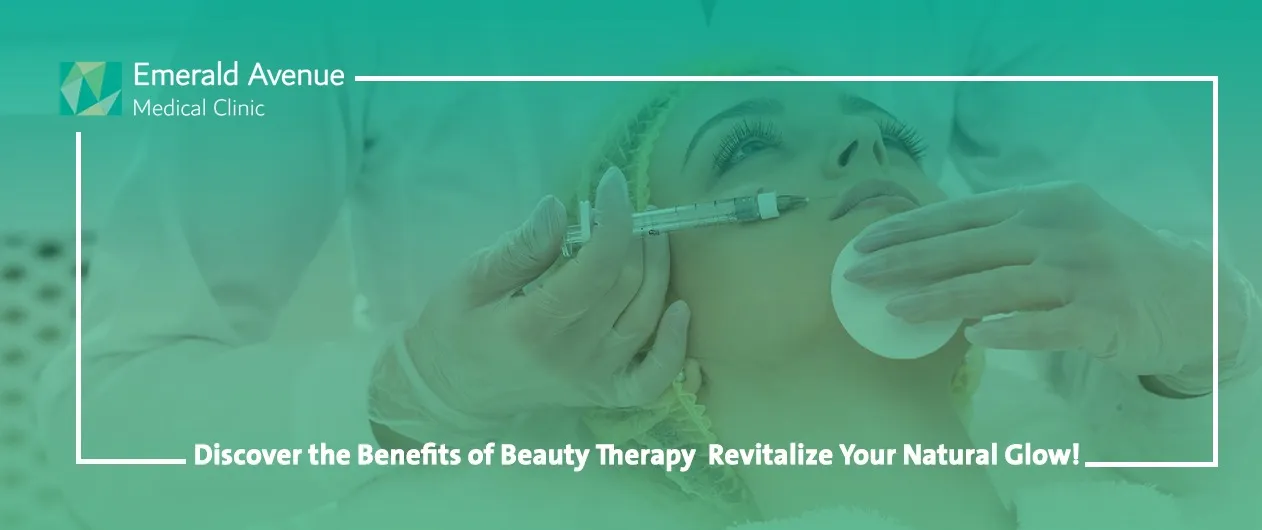
The benefits of beauty therapy extend well beyond mere vanity, influencing physiological skin health, immunological function, and psychological well-being. This type of therapy influences skin regeneration, inflammatory pathways, and neurocutaneous signaling, which connects emotional health to skin function.
This article examines the scientific basis behind aesthetic treatments, drawing on principles from dermatology and psychodermatology to demonstrate why undergoing beauty therapy is a sound health decision.
Understanding Beauty Therapy: A Quick Overview of Services Offered
To appreciate the advantages of beauty treatments, we must first define the scope of modern aesthetic practice. Beauty therapy has evolved from basic pampering to sophisticated, results-driven protocols.
Common modalities include:
- Clinical Facials and Peels: Utilizing chemical exfoliants (AHAs, BHAs) to accelerate cell turnover.
- Therapeutic Massage: Including lymphatic drainage and deep tissue techniques.
- Light Therapies: LED phototherapy for inflammation and collagen stimulation.
- Microneedling: Collagen induction therapy for structural skin repair.
- Body Treatments: Exfoliation and hydration protocols to maintain the systemic skin barrier.
Physical Benefits of Beauty Therapy
The physiological impact of professional treatments is measurable and significant. We observe direct improvements in tissue quality and systemic function.
Improving Skin Health and Appearance (Acne, Aging, Glow)
The health benefits of skin care treatments are primarily visible in the restoration of the epidermal barrier. Professional treatments go deeper than topical home care.
- Acne Management: Mechanical extraction of comedones (blocked pores) reduces the bacterial load of C. acnes, preventing inflammatory breakouts and potential scarring.
- Anti-Aging: Techniques like chemical peels and microneedling trigger a controlled wound-healing response. This stimulates fibroblasts to produce new collagen and elastin, increasing dermal thickness and reducing fine lines.
- Radiance (Glow): Regular exfoliation removes desquamated (dead) skin cells that scatter light unevenly. By smoothing the stratum corneum, we increase light reflection, creating the coveted “glow.”
Promoting Relaxation and Muscle Tension Release (Massage)
Massage therapy within a beauty context is not merely relaxing; it is physiologically restorative. Manual manipulation of the soft tissue increases blood flow and temperature, reducing muscle hypertonicity (stiffness).
From a neurological standpoint, touch therapy stimulates the vagus nerve, which activates the parasympathetic nervous system (the “rest and digest” state). This counteracts the sympathetic nervous system’s “fight or flight” response, lowering heart rate and blood pressure.
Enhancing Circulation and Detoxification
Many aesthetic protocols, particularly those influenced by French lymphatic research (such as the Vodder method), focus on the lymphatic system.
- Circulation: Facial massage increases cutaneous blood flow, delivering oxygen and nutrients to skin cells.
- Lymphatic Drainage: Unlike the circulatory system, the lymphatic system has no pump. Manual lymphatic drainage helps move interstitial fluid into lymph nodes for filtration. This effectively reduces edema (puffiness) and aids in the removal of metabolic waste products from the tissues.
Managing Chronic Skin Conditions
For patients suffering from conditions like Rosacea or Eczema, beauty therapy offers management strategies.
- Barrier Repair: Specialized treatments infuse lipids and ceramides to repair a compromised skin barrier, reducing sensitivity.
- Inflammation Reduction: LED therapy (specifically blue and red light) is clinically proven to reduce the inflammation associated with chronic dermatoses.
Psychological and Emotional Benefits
The field of psychodermatology studies the interaction between the mind and the skin. The data supports beauty therapy for mental health as a valid adjunctive intervention.
Significant Stress and Anxiety Reduction
Chronic stress elevates cortisol levels. High cortisol degrades collagen and induces inflammation, a phenomenon known as the “brain-skin axis.”
Beauty therapy interrupts this cycle. The sensory experience of a treatment reduces circulating cortisol. Spanish research into “calidad de vida” (quality of life) in aesthetic medicine indicates that patients report lower anxiety scores following regular aesthetic interventions.
Boosting Self-Confidence and Self-Esteem
Improving confidence with beauty therapy is perhaps the most immediate psychological benefit. There is a strong correlation between perceived physical appearance and self-efficacy.
When patients address insecurities, such as acne scarring or pigmentation, they often experience a reduction in social anxiety. This “halo effect” allows individuals to project greater confidence in professional and social settings.
Improving Sleep Quality
The relaxation induced by beauty therapy often persists long after the appointment. By lowering cortisol and engaging the parasympathetic nervous system, treatments can reset the body’s circadian rhythm. Many patients report deeper, more restorative sleep following massage or prolonged facial treatments.
Long-Term and Lifestyle Advantages
Viewing beauty therapy as a recurring health habit rather than a one-off event yields the highest return on investment.
Establishing Healthy Skincare Habits
Regular visits to a professional create accountability. A therapist or doctor can assess the skin’s changing needs (due to seasons or hormones) and adjust home-care regimens accordingly. This education ensures that patients use active ingredients (like Retinoids or Vitamin C) correctly, preventing damage and maximizing results.
Proactive Approach to Anti-Aging
Preventative aesthetic medicine is superior to reactive correction. Regular treatments maintain high levels of collagen synthesis. It is far easier to maintain skin elasticity through consistent beauty therapy than it is to surgically correct deep laxity later in life. This proactive approach delays the need for invasive procedures.
Read also about: Best facial treatment for aging skin
Choosing Your Therapy: Tailoring Treatments to Maximize Benefits at Emerald Avenue Medical Centre
Not all treatments suit all physiologies. To truly reap the benefits of beauty therapy, the approach must be personalized.
At Emerald Avenue Medical Centre, we adhere to strict medical protocols. We assess factors such as:
- Fitzpatrick Skin Type: To ensure safety with lasers and peels.
- Glogau Scale: To assess the degree of photoaging.
- Medical History: To identify contraindications.
We believe that a bespoke treatment plan is the only way to ensure safety and efficacy. Whether addressing pigmentation or seeking stress relief, clinical oversight ensures the outcome is both beautiful and healthy.
Conclusion: Investing in Yourself – The Lasting Impact of Professional Beauty Therapy
In conclusion, the benefits of beauty therapy are multi-dimensional. We are moving past the archaic idea that aesthetic treatments are frivolous. Instead, we recognize them as valuable tools for maintaining skin physiology, managing stress, and improving psychological quality of life.
By engaging in regular, professional treatments, you are not just improving your appearance; you are investing in your long-term health. Whether for improving confidence with beauty therapy or managing skin health, the clinical evidence supports the practice as a positive lifestyle intervention.
FAQ
Is beauty therapy only for women?
No. Skin physiology, including the need for exfoliation, hydration, and sun protection, is universal. Men benefit equally from the acne management, anti-aging, and stress-relief aspects of therapy.
How often should I have a beauty therapy session to maintain the benefits?
For skin cellular turnover, which occurs roughly every 28 days, a monthly facial is the clinical standard. However, for therapeutic massage or specific skin conditions, more frequent intervals may be recommended.
Can beauty therapy help with anxiety or depression?
While it is not a cure for mental illness, beauty therapy for mental health is an excellent supportive therapy. It reduces cortisol and promotes relaxation, which can alleviate symptoms of anxiety and improve overall well-being.
What are the common side effects of beauty treatments?
Most side effects are mild and temporary, such as redness (erythema) or minor flaking after a peel. Professional clinics like Emerald Avenue Medical Centre minimize these risks through thorough pre-treatment assessment.
How does Emerald Avenue Medical Centre ensure a personalized beauty therapy experience?
We utilize medical-grade skin analysis and doctor-led consultations to tailor active ingredients and modalities to your specific biological needs, ensuring optimal safety and results.
What is the most relaxing beauty therapy treatment?
While subjective, treatments involving extensive massage, such as a lymphatic drainage facial or a hot stone body treatment, generally trigger the strongest parasympathetic (relaxation) response.