Male Infertility Causes are responsible for approximately 50% of all cases where couples struggle to conceive. Historically, infertility was often viewed solely as a female issue, but modern reproductive medicine recognizes that male factor infertility is a complex pathology involving genetic, physiological, and environmental components.
At our center, we approach male fertility not just as a matter of conception, but as a barometer for overall male health. A diagnosis of infertility can sometimes uncover underlying conditions such as testicular cancer or hormonal tumors.
How Male Fertility Works: The Basics
To understand pathology, one must understand physiology. Male fertility relies on the Hypothalamic-Pituitary-Gonadal (HPG) axis. The brain (hypothalamus and pituitary) releases hormones (FSH and LH), which signal the testes to produce testosterone and generate sperm (spermatogenesis).
This process is continuous but slow; the full cycle of sperm production and maturation takes approximately 72 to 74 days. Consequently, any illness, fever, or therapeutic intervention today will not reflect in Semen analysis results for nearly three months.
Male Infertility Causes
We categorize causes into pre-testicular (hormonal), testicular (production), and post-testicular (transport).
Varicocele: The #1 Reversible Cause
A varicocele is an abnormal dilation of the veins within the scrotum, similar to a varicose vein in the leg. It is found in nearly 40% of men with primary infertility.
- Mechanism: The dilated veins cause blood to pool, leading to scrotal hyperthermia (overheating). Since spermatogenesis requires a temperature 2–4°C lower than core body temperature, this heat stress damages sperm DNA and reduces production.
- Oxidative Stress: The pooling of blood also leads to an accumulation of Reactive Oxygen Species (ROS), which attack the sperm membrane.
Hormonal Imbalances (Testosterone & FSH)
Endocrine disruption prevents the testes from receiving the “go” signal.
- Hypogonadism: Low testosterone coupled with low FSH/LH suggests a pituitary issue (Secondary Hypogonadism).
- Testicular Failure: High FSH levels with low sperm count often indicate that the brain is screaming for production, but the testes are unable to respond (Primary Hypogonadism).
Infections and Duct Blockages
Post-testicular causes involve physical obstructions or inflammatory damage.
- Genital Tract Infections: Past infections (Chlamydia, Gonorrhea) or prostatitis can cause scarring in the delicate epididymis, blocking sperm transport.
- CBAVD: Congenital Bilateral Absence of the Vas Deferens is a genetic condition, often linked to Cystic Fibrosis mutations, where the transport tubes are missing entirely, leading to obstructive azoospermia (zero sperm in ejaculate).
Read also about: Erectile Dysfunction Treatments
Environmental and Lifestyle Factors
External factors play a massive role in sperm quality, primarily through the mechanism of oxidative stress.
Impact of Smoking, Obesity, and Stress
- Smoking: Tobacco smoke contains over 7,000 chemicals. Studies confirm that smokers have lower semen volume and higher rates of Asthenozoospermia (poor motility) and DNA damage compared to non-smokers.
- Obesity: Adipose tissue contains the enzyme aromatase, which converts testosterone into estrogen. This hormonal shift suppresses sperm production. Furthermore, obesity increases scrotal temperature.
- Psychological Stress: Chronic stress elevates cortisol, which suppresses the gonadotropins (LH and FSH) needed for reproduction.
Heat Exposure and Occupational Risks
Thermoregulation is critical. Men in professions requiring prolonged sitting (truck drivers) or exposure to high temperatures (chefs, welders) often exhibit suppressed spermatogenesis. Frequent use of saunas, hot tubs, or keeping laptops directly on the lap can also induce transient infertility.
Diagnostic Steps: Beyond Semen Analysis
A standard spermiogram is the starting point, but it does not tell the whole story. We evaluate samples based on the 2021 WHO Laboratory Manual standards.
- Oligospermia: Low sperm count (<16 million/ml).
- Asthenozoospermia: Reduced motility (sperm don’t swim properly).
- Teratozoospermia: Poor morphology (abnormal shapes).
Ultrasound Imaging
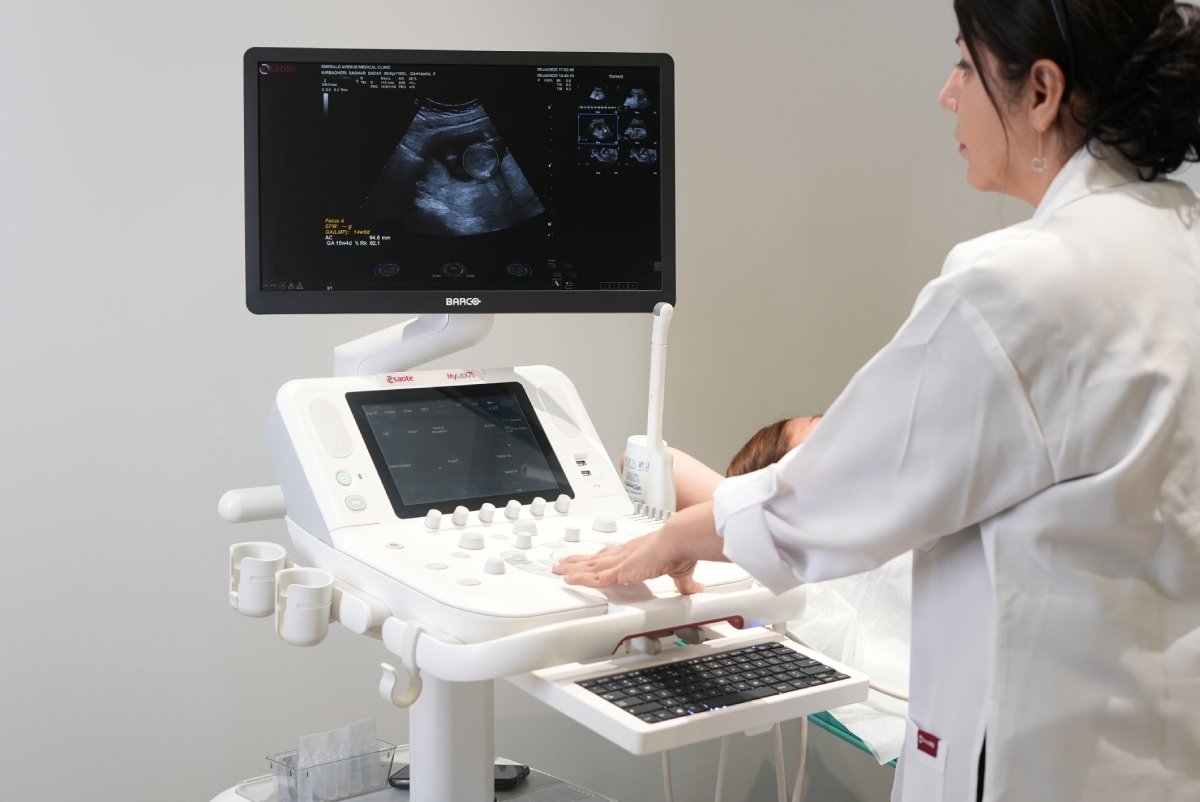
Physical examination is supplemented by Scrotal Doppler Ultrasound. This allows us to visualize:
- Varicoceles: Measuring vein diameter (>3mm) and reflux during Valsalva maneuver.
- Testicular Volume: Small testes often correlate with poor reserve.
- Tumors: Excluding malignancies.
DNA Fragmentation Testing
A man can have a “normal” count but still face infertility or recurrent miscarriage due to damaged genetic material inside the sperm head. Genetic infertility screening and Sperm DNA Fragmentation Index (DFI) testing are crucial for cases of “unexplained” infertility. High DFI (>30%) significantly reduces the success rates of natural conception and intrauterine insemination (IUI).
Effective Treatments to Boost Fertility
Treatment is stratified based on the specific diagnosis.
Medical Therapy:
We may use medications like Clomiphene Citrate or Anastrozole to stimulate the body’s own hormone production in specific cases of hypogonadism. Antioxidant protocols (Zinc, Selenium, CoQ10, L-Carnitine) are prescribed to combat oxidative stress.
Surgical Intervention:
Microsurgical varicocelectomy is the gold standard for repairing varicoceles. By ligating the swollen veins, we restore proper temperature and blood flow, often resulting in significant improvements in sperm parameters within 3-6 months.
Assisted Reproductive Technology (ART):
In cases of severe male factor (very low count or motility), we bypass natural barriers using IVF (In Vitro Fertilization) with ICSI (Intracytoplasmic Sperm Injection), where a single viable sperm is injected directly into the egg.
FAQ
What is the most common cause of male infertility?
Varicocele is the most common identifiable and reversible cause, affecting roughly 40% of infertile men. Other common causes include idiopathic (unexplained) infertility and infections.
Can lifestyle changes improve sperm count?
Yes, but patience is required. Because the sperm life cycle is roughly 74 days, lifestyle changes (quitting smoking, weight loss, cooling protocols) typically take 3 months to show improvement in Semen analysis results.
Is male infertility genetic?
Yes, in some cases. Conditions like Klinefelter Syndrome (XXY karyotype) and Y-chromosome microdeletions are forms of Genetic infertility that cause severe production deficits. Genetic screening is mandatory for men with very low sperm counts (<5 million/ml) before proceeding to IVF.