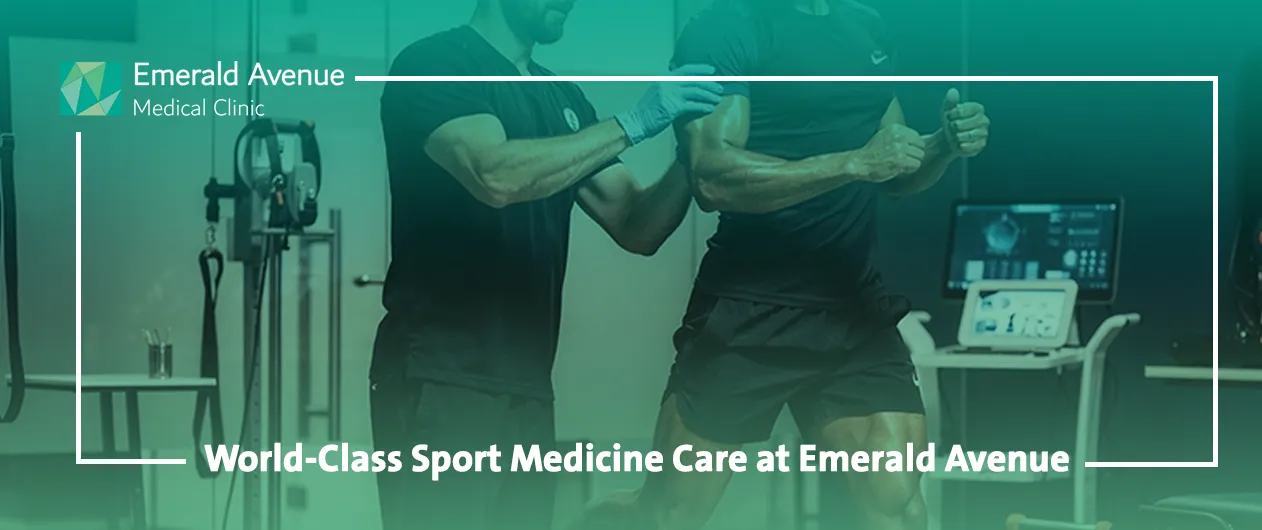
At Emerald Avenue Medical Centre, we treat sport medicine as a holistic discipline dedicated to the continuity of your physical health. Unlike general practice, we focus on the specific biomechanical demands placed on the body during physical exertion.
Whether you are a CrossFit athlete or someone who enjoys an occasional game of padel, our objective is twofold: to recover lost function through evidence-based medicine and to engineer your return to sport stronger and more resilient than before.
Advanced Sport Medicine & Injury Rehabilitation
Modern sports healthcare is multidisciplinary. It bridges the gap between acute surgical intervention and functional recovery. The “wait and see” approach is rarely sufficient for an athlete who wants to return to peak performance.
Our approach integrates orthopedic expertise with athletic rehabilitation. We understand that tissue healing is only the first phase of recovery. Real rehabilitation involves retraining the neuromuscular system, teaching the nerves and muscles to work together again efficiently.
This ensures that when a patient returns to the field or gym, they do so with restored proprioception (balance) and strength, significantly reducing the risk of re-injury.
Common Sports Injuries We Treat
Sports injuries are diverse, but they generally fall into acute traumatic events (like a fall or collision) or chronic overuse syndromes (repetitive strain).
Knee Injuries (ACL/Meniscus Tears)
The knee is the pivot point of the body and is highly susceptible to rotational forces.
- ACL Injuries: The Anterior Cruciate Ligament (ACL) is often injured during rapid changes of direction or landing. We manage everything from partial tears, which may respond to physical therapy for athletes, to complete ruptures requiring reconstruction.
- Meniscal Tears: The meniscus acts as the shock absorber of the knee. Tears here can cause locking, clicking, or swelling. Treatment strategies depend on the location of the tear and the vascularity (blood supply) of the tissue.
Shoulder Dislocations & Rotator Cuff
The shoulder has the greatest range of motion of any joint, which comes at the cost of stability.
- Rotator Cuff Tendinopathy: Common in overhead sports like tennis or swimming, this involves micro-tears and inflammation in the tendons stabilizing the shoulder.
- Instability: Traumatic dislocations can stretch the ligaments, leading to chronic instability. Our protocols focus on strengthening the dynamic stabilizers to prevent recurrence.
Ankle Sprains and Tendonitis
Foot and ankle injuries are prevalent in high-impact sports.
- Ligament Sprains: Ankle inversion injuries are among the most common sports injuries. Without proper rehab, these can lead to chronic ankle instability.
- Achilles Tendinopathy: Overuse can cause degeneration of the Achilles tendon. We utilize loading protocols (eccentric exercises) to stimulate collagen remodeling and tendon healing.
Read also about: Advanced Neurology Department: Brain & Nerve Care
Diagnostic Imaging for Athletes (MRI & Ultrasound)
Accurate treatment begins with a precise diagnosis.
- MRI (Magnetic Resonance Imaging): This is the gold standard for visualizing soft tissues. It allows us to see deep structures like the ACL, articular cartilage, and spinal discs in high definition.
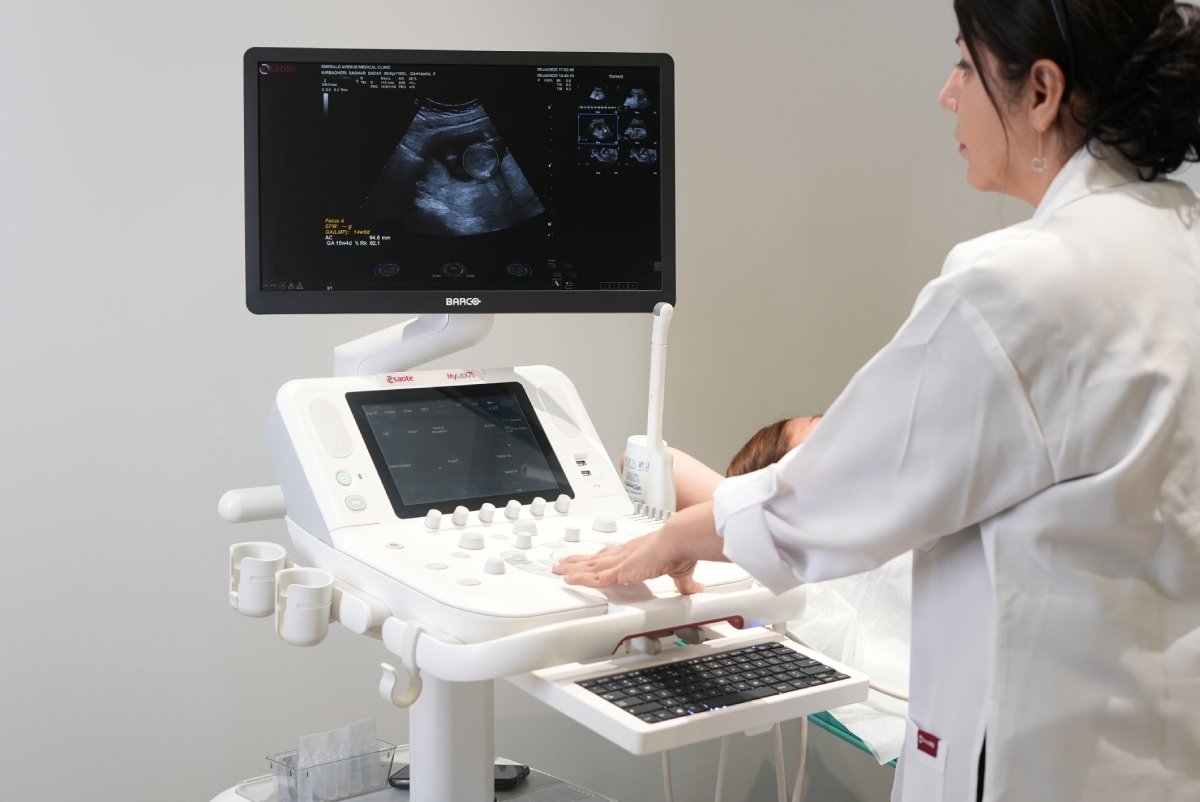
- Musculoskeletal Ultrasound: Unlike MRI, ultrasound is dynamic. It allows the physician to visualize the tendon or muscle while it is moving. This is invaluable for diagnosing conditions like snapping hip syndrome or dynamic impingement that might not show up on a static scan.
Non-Surgical Treatments (Physiotherapy & Injections)
Surgery is always the last resort. The vast majority of sports injuries can be resolved through conservative management.
Physical Therapy for Athletes:
This goes beyond standard massage. It involves manual therapy to mobilize joints, myofascial release, and specific strength conditioning tailored to the demands of your specific sport.
Orthobiologics (PRP):
Platelet-Rich Plasma (PRP) therapy involves concentrating the patient’s own platelets and injecting them into the injury site. This releases growth factors that can accelerate the healing of tendons and ligaments.
Viscosupplementation:
Hyaluronic acid injections can lubricate joints, providing relief for athletes with early-stage osteoarthritis.
Minimally Invasive Arthroscopic Surgery
When conservative measures fail, or in cases of severe trauma, surgical intervention may be necessary. We specialize in arthroscopy, a minimally invasive “keyhole” technique.
Using a tiny camera (arthroscope) and specialized instruments, surgeons can repair tissues through incisions smaller than a centimeter.
- Benefits: This technique preserves healthy tissue, significantly reduces post-operative pain, lowers infection risk, and allows for a much faster return to athletic rehabilitation.
- Common Procedures: Arthroscopy is standard for ACL reconstruction, meniscus repair, and rotator cuff repair.
Injury Prevention and Performance Enhancement
The best cure for a sports injury is preventing it from happening. Sport medicine at Emerald Avenue extends to “Prehabilitation.”
We analyze biomechanics, how you move. By identifying muscle imbalances, gait abnormalities, or poor technique, we can prescribe corrective exercises before an injury occurs. This proactive approach not only keeps you safe but often unlocks new levels of performance by making your movement more efficient. Whether you are a runner looking to improve your stride or a weightlifter correcting your form, medical insight is a powerful tool for improvement.
Conclusion: Your Partner in Active Living
At Emerald Avenue Medical Centre, we understand that for an athlete, being sidelined is not just physical; it is mental. Our comprehensive sports medicine department is designed to support you through every stage of your journey, from the moment of injury through diagnosis, treatment, and the final return to the sport you love.
By combining state-of-the-art diagnostics, specialized physical therapy for athletes, and minimally invasive surgical options, we ensure that your recovery is safe, scientific, and sustainable. Trust your body to the experts who understand the science of movement.
FAQ
Do I need surgery for a torn meniscus?
Not always. The treatment depends on the type, size, and location of the tear. Tears in the “red zone” (outer edge with good blood supply) may heal with rest and athletic rehabilitation. Small, degenerative tears often respond well to non-surgical management.
How long does recovery take after a sports injury?
Recovery is biological and cannot be rushed. Soft tissue generally takes 6 to 12 weeks to heal, while bone takes 6 to 8 weeks. However, return-to-sport timelines vary based on the severity of the injury and the demands of your sport. Your team will guide you based on functional milestones, not just time.
Do you offer physiotherapy within the sports medicine program?
Yes. We believe that physical therapy for athletes is inseparable from medical treatment. Our physicians and physiotherapists work in a collaborative loop to ensure your rehabilitation exercises align perfectly with your medical diagnosis and recovery stage.